Description
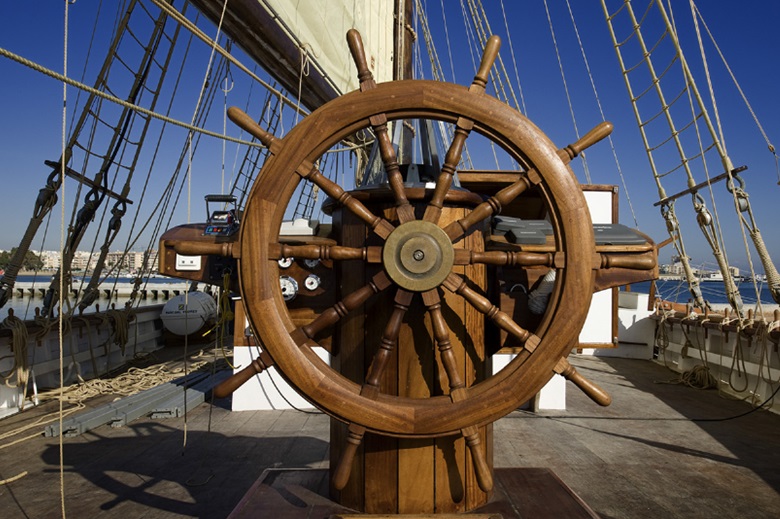
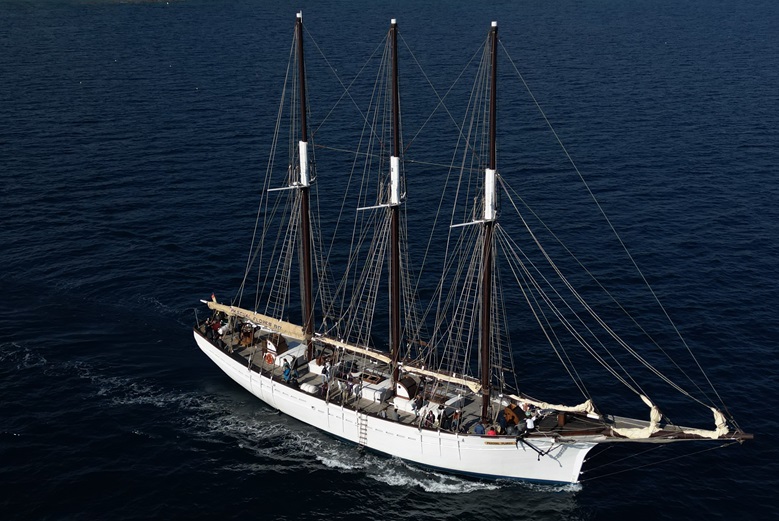
The Pascual Flores is a traditional pailebot schooner, built in 1917 at the Torrevieja shipyard (Spain). Originally, this sailboat with a wooden hull was dedicated to the transport of goods, in particular fruit, salt and various cargoes in the Mediterranean and on the Atlantic. A symbol of the golden age of sailing freight, it went through numerous changes in ownership and functions throughout the 20th century.
History
The era of maritime trade (1917-1938)
At the beginning of the 20th century, Torrevieja was a nerve center of the salt trade in the Mediterranean, home to the largest sailing fleet in the region with over 200 ships, including 64 pailebotes. Pascual Flores joined this prosperous fleet, devoting himself to freight transport : mainly salt, fruit (especially oranges) and general cargo to Mediterranean ports, North and West Africa, with even crossings to the Caribbean and Cuba.
Tragic destiny and rebirth
En June 1938, during the Spanish Civil War, Pascual Flores stopped at Port of Castellón while it belonged to the shipowner E. Formiga from Alicante. The June 7, 1938, a German bomber Heinkel-59 attacked the port and The ship sank. En 1943, the boat was bailed and changed its name to become the Vulcano, equipped with a 100 hp Thornycroft engine with its masts dismantled.
The ship continued its career as a cargo ship, transporting construction materials to the Balearics. En 1975, he was sold to British shipowners and her rigging transformed into a two-masted schooner. En 1979, a Bristol charitable foundation acquired it to make it a training ship, but British regulatory changes following the sinking of the Corvette Marques in 1984 condemned him to inactivity.
Restoration and new life (1999-today)
En 1999, the city of Torrevieja decided to recover this witness of its maritime heritage. The boat, then moored in the English port of Milford Haven, was repatriated aboard a cargo ship, unable to navigate by its own means. A first careful restoration was undertaken between 2005 and 2008 under the supervision of the master carpenter Antonio Carrasco, restoring the ship to its former glory with its three original masts.
After several years of inactivity that caused damage, the Nao Victoria Foundation took charge of the ship in 2020 through an agreement with the municipality of Torrevieja, carrying out a new restoration to make it navigable again.
Current mission
Today, the Pascual Flores sails as training ship and cultural ambassador of Spain and Torrevieja. He participates in numerous international maritime festivals and traditional sailing boat gatherings around the world. The ship accommodates up to 12 trainees for traditional navigation training programs, with a total capacity of 24 people (12 crew members and 12 trainees).
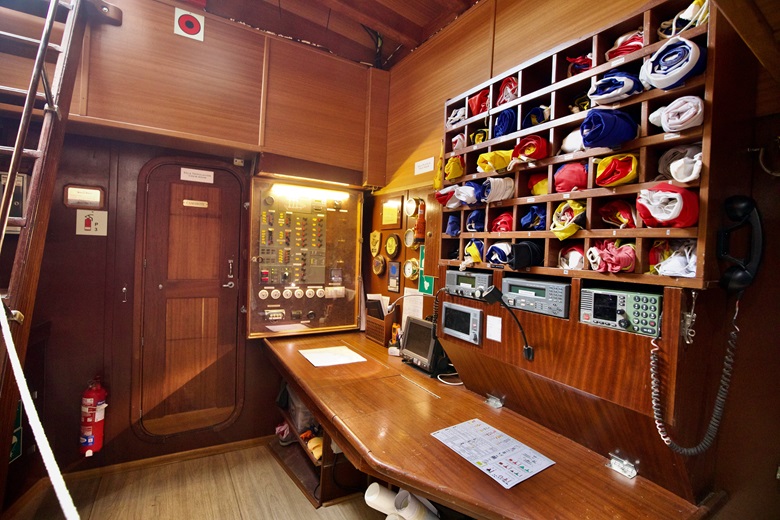
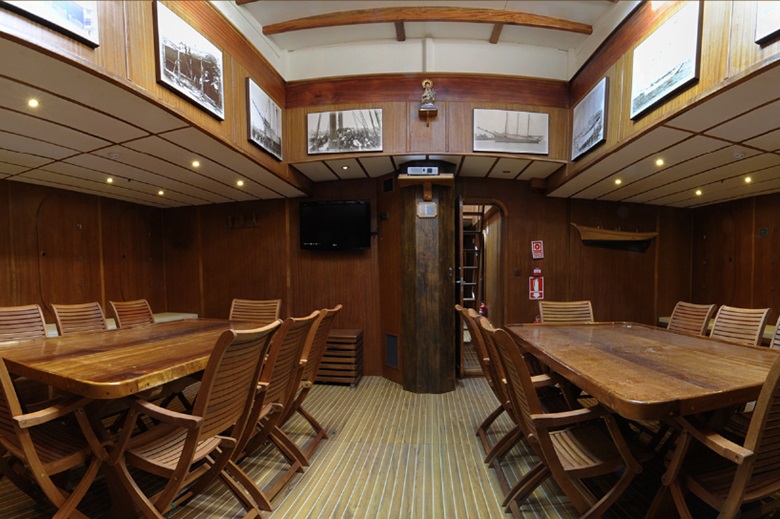
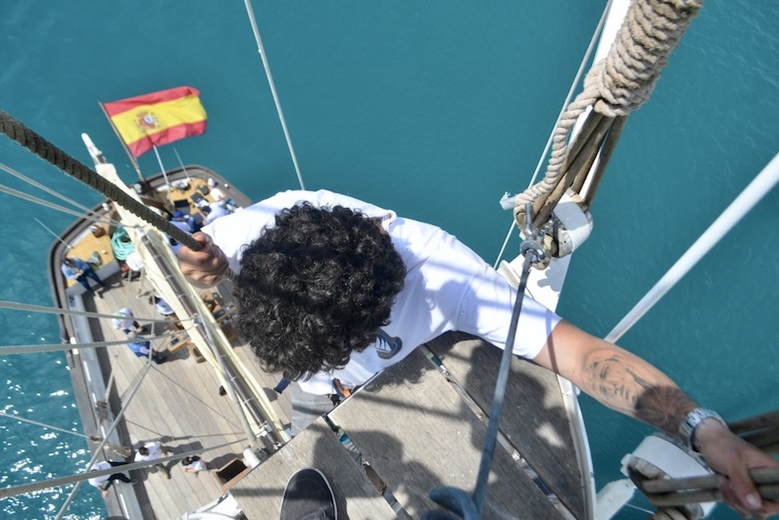
On board, participants learn sailing techniques, chart reading, sea knots and work 4-hour shifts. The ship is equipped with 5 cabins, 5 bathrooms, 3 showers, a full kitchen and a lounge.
Pascual Flores thus represents a living symbol of the Mediterranean maritime history and of the salt trade that made Torrevieja prosperous at the beginning of the 20th century.
specifications






Gallery